Detox Is a Start. What Comes Next Matters Just as Much.
Detox helps your body get through withdrawal. It does not build the life that comes after it. If you or someone you love is leaving detox soon, this guide covers what to set up, what your options are in Massachusetts, and who can help for free.
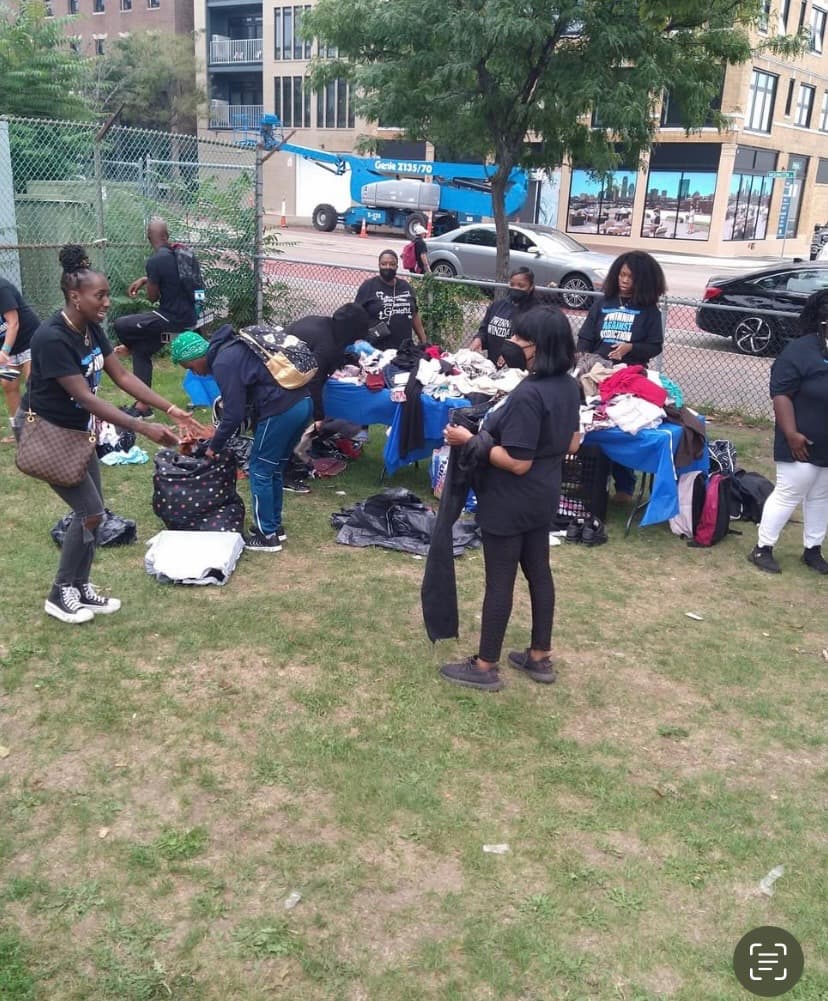
At Winnin' Against Addiction™, we focus on the gap between detox and real recovery. This guide is not medical advice. Your care team can tell you what fits your situation.
If this is an emergency, call 911. If you are in crisis, call or text 988.
Before You Leave Detox: 5 Things to Ask
Ask for the discharge planner or case manager before your last day. These five questions make the next step clearer.
- Where do I go next? Ask for a named program and a date, not only a phone list.
- Can you make the call with me? A warm handoff beats a number on a piece of paper.
- Is medication right for me? Ask about medication for opioid or alcohol use disorder, and how you will keep getting it.
- Who is my first appointment with? Get the name, the day, and the time.
- Can I leave with naloxone? Ask for it even if you think you will not need it.
Your Risk Changes After Detox
This is the part people need to hear. After detox, your body has lost tolerance to opioids. An amount you used before can now cause an overdose.
Keep naloxone (Narcan) close, and make sure the people around you know where it is. In Massachusetts, pharmacists can dispense naloxone under a statewide standing order, so you do not need your own prescription.
The Next Steps After Detox in Massachusetts
Massachusetts has several levels of care after detox. You may not need all of them, and the right one depends on you.
Clinical Stabilization Services (CSS)
CSS is a short-term residential program for people who are past withdrawal but still need structured clinical support. It helps you stabilize and prepare for the next step.
Transitional Support Services (TSS)
TSS gives you a safe, structured place to stay while you wait for longer-term care. It focuses on routine and support more than clinical treatment. Openings change, so ask early.
Residential Recovery Programs
These are longer stays built around recovery, routine, and community. They can help if going straight home would put your recovery at risk.
Outpatient Care
If you have a safe place to live, you can keep working with a counselor or treatment program while you live at home.
Peer Support
Peer support connects you with people who understand what this is like. It does not replace treatment, but it can stay with you long after a program ends. Our peer support groups and resource navigation are one place to start.
Your First 30 Days
- Keep your first appointment. Treat it like the most important thing on your calendar.
- Find one person you can call. One honest person is enough to start.
- Build a simple routine. Sleep, food, and one planned thing each day.
- Make a plan for hard moments. Our relapse prevention guide can help you write one.
- Be honest if you slip. Recovery isn't a straight line. A setback is a reason to reach out, not a reason to hide.
For Families
You may feel relief and fear at the same time when someone you love comes home from detox. Both are normal. Ask them what support would help, learn where the naloxone is, and take care of yourself too. Our Boston family guide covers what to say and what to avoid.
Who to Call in Massachusetts
- Massachusetts Substance Use Helpline: 800-327-5050, or text HOPE to 800327. Free, confidential, and open 24/7. Chat is at helplinema.org.
- SAMHSA National Helpline: 1-800-662-4357.
- 988 Suicide & Crisis Lifeline: call or text 988.
- Winnin' Against Addiction: call or text 617-651-0366, or send us a message.
Common Questions
What should I do right after detox?
Go to your next planned level of care, keep your first appointment, and carry naloxone. If nothing is set up yet, call the Massachusetts Substance Use Helpline at 800-327-5050.
Can I go home after detox?
Some people can, with outpatient care and support in place. Others do better with a stay in a CSS, TSS, or residential program first. Talk it through with your care team before you leave.
Do I have to do this alone?
No. Reach out to us any time. We will help you figure out your next step, with no judgment.