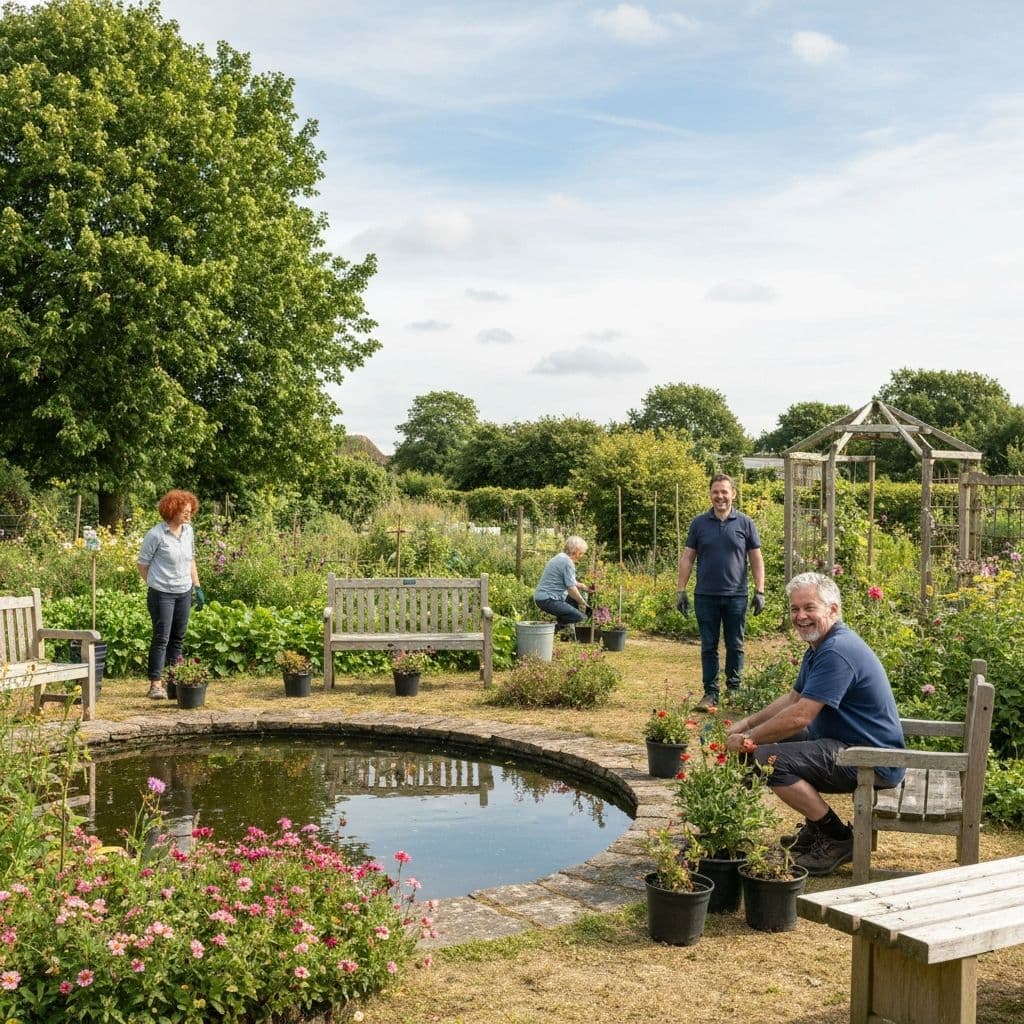
In the journey toward recovery from addiction, the role of community cannot be overstated. A recovery-ready community is one that actively supports individuals in their healing process, providing not just resources but also a sense of belonging and understanding. While the task of building such a community may seem daunting, it often starts with small, actionable steps that can create a ripple effect of positive change.
Understanding Recovery-Ready Communities
A recovery-ready community is characterized by its commitment to fostering an environment where individuals recovering from addiction feel safe, supported, and empowered. This involves more than just access to treatment facilities; it encompasses a cultural shift that prioritizes empathy, education, and inclusivity.
Communities that embrace recovery recognize that addiction is a public health issue, not a moral failing. They work to eliminate stigma and promote understanding, creating spaces where individuals can share their stories without fear of judgment. This cultural shift is essential for encouraging those in need to seek help and for supporting families who are navigating the complexities of addiction.
Small Steps, Big Impact
Building a recovery-ready community doesn't require grand gestures; often, it's the small, consistent actions that create lasting change. Here are some practical steps that individuals and organizations can take:
1. Educate Yourself and Others
Knowledge is power. Take the time to learn about addiction, recovery, and the resources available in your community. Share this information with friends, family, and colleagues. Hosting informal discussions or workshops can help demystify addiction and encourage open conversations.
Consider inviting speakers from local recovery organizations to share their experiences. Personal stories can be incredibly powerful in changing perceptions and fostering empathy.
2. Create Safe Spaces
Establishing safe spaces where individuals can gather without the temptation of substances is crucial. This could be as simple as hosting coffee meetups, book clubs, or community events that are substance-free. Encourage local businesses to create welcoming environments for those in recovery by offering non-alcoholic options and promoting events that celebrate sobriety.
These community support spaces can become vital hubs for connection and healing, allowing individuals to build relationships based on shared experiences.
3. Support Local Recovery Organizations
Many communities have organizations dedicated to supporting individuals in recovery. Get involved by volunteering your time, donating resources, or simply spreading the word about their services. These organizations often provide essential programs, from support groups to job training, and they rely on community involvement to thrive.
Attend recovery events in your area to show your support and learn more about how you can contribute. Your presence can make a difference and help normalize conversations about recovery.
4. Advocate for Policy Changes
On a broader scale, advocating for policies that support recovery can have a significant impact. This includes pushing for better access to treatment, funding for recovery programs, and initiatives that prioritize harm reduction strategies. Engage with local government officials and participate in community meetings to voice your support for recovery-friendly policies.
5. Foster Inclusive Language
The language we use matters. Adopting person-first language—referring to individuals as "people in recovery" rather than "addicts"—can help reduce stigma and promote dignity. Encourage others in your community to be mindful of their words and to challenge derogatory language when they encounter it.
The Ripple Effect
Every small action contributes to a larger movement toward creating recovery-ready communities. When individuals feel supported and valued, they are more likely to engage in their recovery journey and inspire others to do the same. This ripple effect can transform neighborhoods, fostering a culture of compassion and understanding.
Moreover, when communities come together to support recovery, they create a network of resources that extends beyond treatment facilities. This includes peer support groups, mentorship programs, and community events that celebrate recovery milestones. Such initiatives not only benefit individuals in recovery but also educate the broader community about the realities of addiction and the importance of support.
Conclusion: A Collective Responsibility
Building a recovery-ready community is a collective responsibility that requires the involvement of everyone—individuals, families, organizations, and local governments. By taking small steps and committing to fostering an environment of support and understanding, we can create spaces where recovery is not just possible but celebrated.
As we work together to dismantle stigma and promote healing, we pave the way for countless individuals to reclaim their lives and thrive. Let's embrace the challenge and commit to making our communities places where everyone has the opportunity to recover and flourish.
Join our community: Together, we can build recovery-ready spaces. Learn about upcoming events or Get Involved today.